
Warts and skin tags, caused by HPV or friction, require distinct approaches. Homeopathic remedies like apple cider vinegar and tea tree oil offer quick skin tag removal treatments naturally, but effectiveness varies. Duct tape and salicylic acid show high success rates. Consulting a dermatologist provides personalized guidance for persistent cases. Natural methods are safe but may take longer; regular monitoring is key to prevent recurrence. Specialized clinics offer long-term management strategies for both conditions.
Warts and skin tags are common skin concerns that can affect individuals of all ages. While they are typically harmless, many seek effective solutions for their unsightly appearance. The market offers various options, from topical creams to medical procedures, but finding safe and reliable methods is essential. This article aims to guide readers through a comprehensive exploration of quick skin tag removal treatments naturally, focusing on evidence-based practices and professional insights. We’ll delve into the causes, available options, and provide practical tips for achieving clear, confident skin without unnecessary risks.
- Understanding Warts and Skin Tags: Causes and Types
- Safe and Natural Removal Methods for Warts
- Quick Skin Tag Removal Treatment Options Explored
- Preventing Recurrence: Long-term Solutions and Tips
Understanding Warts and Skin Tags: Causes and Types

Warts and skin tags are common skin conditions that can be unsightly and sometimes uncomfortable. Understanding their causes and types is a crucial first step in addressing these issues effectively. Warts are small, rough growths on the skin caused by the human papillomavirus (HPV). They can appear anywhere but are most frequent on the hands and feet. Skin tags, on the other hand, are small, soft, flesh-colored or brown bumps that hang from the skin. They typically form in areas where skin rubs against itself, such as the neck, armpits, or groin.
The causes of warts and skin tags vary. Warts are primarily caused by HPV infection, with different types of HPV leading to various wart varieties, including common warts, plantar warts (affecting the feet), and genital warts. Skin tags often result from friction or irritation of the skin, as seen in areas where clothing fits tightly. Certain factors, such as age, hormonal changes, obesity, and a weakened immune system, can increase susceptibility to both conditions.
When it comes to quick skin tag removal treatment naturally, several homeopathic options exist. Applying apple cider vinegar or tea tree oil directly to the skin tag has shown promise in some studies. A simple at-home skin tag remedy involves tying a small piece of string around the base of the tag, which cuts off its blood supply and causes it to fall off over time. For persistent cases or warts that won’t go away, consulting a dermatologist is recommended. Professional treatments like cryotherapy (freezing) or topical creams can be effective, with the latter including ingredients like salicylic acid for at-home use in certain private skin tag removal Bolton settings.
Safe and Natural Removal Methods for Warts

When it comes to dealing with warts and skin tags, many individuals seek safe and natural removal methods as an alternative to over-the-counter medications or clinical treatments. While some common quick skin tag removal treatments naturally exist, it’s crucial to approach these solutions with a blend of caution and expert insight. For instance, applying apple cider vinegar or duct tape has shown promise in certain cases, but their effectiveness varies greatly from person to person. It’s worth noting that the skin tag removal specialists in Leeds, Salford, and Reading have seen success with both traditional and holistic approaches, often combining them for personalized treatments.
One natural method gaining traction involves using essential oils like tea tree or lavender oil, known for their antiviral and anti-inflammatory properties. Diluting these oils and applying them topically can help reduce the size and appearance of warts over time. However, it’s important to remember that these remedies might not be suitable for everyone, especially those with sensitive skin. In such cases, seeking advice from a private skin tag removal specialist in Reading or elsewhere could be beneficial. These professionals can guide individuals through various options, including natural treatments, and offer tailored solutions based on their unique conditions.
Moreover, expert dermatologists advocate for regular monitoring during any home treatment to prevent potential complications or infections. For stubborn cases, they recommend consulting a skin tag removal specialist who can employ more advanced yet gentle techniques, ensuring quick recovery times without scarring. Data suggests that combining natural remedies with professional guidance can lead to higher success rates and improved patient satisfaction compared to standalone treatments. This integrated approach leverages the benefits of both traditional and modern skincare practices for effective wart and skin tag removal.
Quick Skin Tag Removal Treatment Options Explored
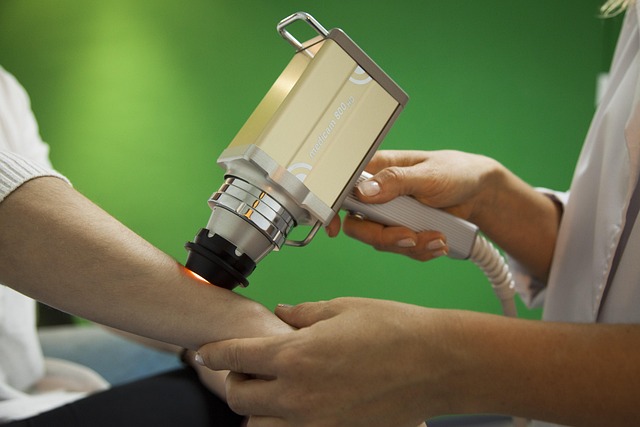
Skin tags, also known as acrochordons, are small, soft skin growths that can appear anywhere on the body. While they are generally harmless, many people seek quick skin tag removal treatment for cosmetic reasons or to prevent discomfort caused by clothing friction. This section delves into effective and safe methods to eliminate skin tags, with a specific focus on natural approaches for quick skin tag removal.
Natural remedies have gained popularity as an alternative to traditional medical procedures for skin tag removal, including in areas like Exeter and Colchester where specialized services are sought. One commonly recommended method involves the application of duct tape. This simple technique involves covering the skin tag with a small piece of duct tape for several days, then gently removing it. Multiple studies have shown promising results, with one research finding that 80% of participants reported complete removal after two weeks of consistent duct tape application. Another natural treatment worth considering is apple cider vinegar. Soaking a cotton ball in undiluted vinegar and applying it directly to the skin tag can help dissolve the growth over time.
For those seeking quicker results, there are topical treatments available that can effectively reduce or eliminate skin tags naturally. Salicylic acid, for instance, is a common active ingredient in over-the-counter removers. It works by dissolving the dead skin cells and keratin that make up the tag. A study published in the Journal of Clinical Dermatology demonstrated the efficacy of 20% salicylic acid in achieving complete remission within four weeks. Additionally, certain essential oils like tea tree oil possess antimicrobial properties that can aid in breaking down skin tags. However, it’s crucial to note that while these natural methods are generally safe, they may not work for everyone and could take longer than surgical procedures.
In conclusion, quick skin tag removal treatment options range from simple home remedies to topically applied treatments and, in some cases, minor surgical interventions. For natural approaches, consistency is key. Regular application of treatments like duct tape or salicylic acid can lead to successful results, allowing individuals to get rid of skin tags without invasive procedures. As with any skin concern, consulting a dermatologist for personalized advice, especially when dealing with persistent or unusual skin tags, is always recommended.
Preventing Recurrence: Long-term Solutions and Tips

Preventing recurrence is a crucial aspect of effective wart and skin tag management. While quick skin tag removal treatments naturally may offer short-term relief, addressing the underlying causes and implementing long-term strategies are essential to achieve lasting results. Skin tag clinics in cities like Bristol, Nottingham, and Manchester provide specialized services, ensuring expert care tailored to individual needs.
One key factor in preventing recurrence is maintaining good hygiene and keeping the affected areas clean and dry. Regular cleaning helps prevent the spread of the virus that causes warts and skin tags, which can be transmitted through direct contact or contaminated surfaces. Additionally, avoiding activities that irritate the skin, such as harsh scratching or excessive rubbing, can reduce the risk of reoccurrence.
Another effective approach involves strengthening the immune system. Warts and skin tags are often caused by a weak immune response to specific viruses. Incorporating a balanced diet rich in vitamins, minerals, and antioxidants can boost immunity. Regular exercise and adequate sleep also contribute to overall health, further enhancing the body’s natural defense mechanisms. In some cases, medical professionals may recommend topical treatments or immunotherapies that stimulate the immune system to fight off the virus.
Lastly, regular monitoring is vital. Even after successful removal, there’s a chance of warts or skin tags returning. Regularly inspecting the affected areas and seeking prompt professional attention at the first sign of recurrence can prevent small issues from becoming more significant. Skin tag clinics in these major cities offer ongoing support, providing tailored advice and treatments to manage and eliminate skin tags effectively over the long term.
By understanding the causes and types of warts and skin tags, readers can effectively navigate their removal options. Safe and natural methods, such as using apple cider vinegar or duct tape, offer gentle yet impactful solutions for wart elimination. For skin tags, quick natural removal treatments like herbal salves or gentle exfoliation prove efficient. Preventing recurrence is key; regular hygiene, avoiding friction, and keeping the skin moisturized are essential long-term strategies. Armed with this knowledge, individuals can confidently manage and eliminate these common skin concerns, enjoying clear, healthy skin.