
Skin tags, common but potentially bothersome, offer options for quick skin tag removal treatment naturally via essential oils or at-home remedies. For persistent or sensitive cases, professional removal through cryotherapy, surgical excision, or lancing provides safer, more permanent solutions. Consultation with dermatologists in key locations ensures tailored advice and effective management of both short-term relief and long-term prevention strategies for skin tag recurrence.
Skin tags, those small, harmless growths on the skin, while commonly encountered, can be a source of embarrassment or discomfort for many. The quest for effective yet safe removal methods is a prevalent concern. Traditional options often involve medical procedures, which may not be everyone’s preference due to cost and potential side effects. Herein lies the importance of exploring gentle alternatives. This article presents a comprehensive guide to achieving quick skin tag removal treatment naturally, offering safe and non-invasive solutions backed by expert knowledge. By the end, readers will be equipped with the insights needed to tackle this common dermatological concern effectively and peace of mind.
- Understanding Skin Tags: Causes and When to Remove
- Gentle at-home Remedies for Quick Skin Tag Removal
- Essential Oils and Natural Treatments for Soft Skin
- Safe Surgical Options: Professional Skin Tag Excisions
- Preventing Recurrence: Long-Term Care Strategies
Understanding Skin Tags: Causes and When to Remove

Skin tags are small, harmless growths that often appear on the neck, armpits, groin, or other areas where skin rubs against itself. Caused by excess skin and collagen buildup, they typically don’t require medical attention unless they become irritated, painful, or aesthetically bothersome for an individual. Understanding when to consider removal is key to maintaining healthy skin. While many people may opt for quick skin tag removal treatments naturally, it’s important to note that not all methods are effective or safe.
In some cases, skin tags may disappear on their own without any intervention. However, if they persist and cause discomfort or self-consciousness, consulting a dermatologist is advisable. A qualified specialist can provide guidance on the best course of action for removal, which may include non-invasive procedures like freezing (cryotherapy) or surgical excision. For instance, a Guildford skin tag clinic might offer advanced treatments that target specific concerns while minimizing downtime. Similarly, professionals in Liverpool and Leeds can guide patients toward suitable options, whether it’s quick skin tag removal treatment naturally or more specialized procedures.
When deciding on removal, consider the size, number, and location of the tags. Small, isolated tags may be easier to address with at-home remedies, but larger clusters or those in sensitive areas often require professional attention. Data suggests that over 80% of skin tags can be safely removed with proper techniques, ensuring minimal scarring and discomfort. It’s worth noting that while natural treatments like apple cider vinegar or duct tape have gained popularity, their effectiveness varies greatly, and some may lead to irritation or skin damage if not used correctly. Therefore, seeking expert advice from specialized skin tag removal clinics near you is often the best approach for safe and reliable results.
Gentle at-home Remedies for Quick Skin Tag Removal

For those seeking safe and effective quick skin tag removal treatment naturally, there are several gentle at-home remedies worth exploring. While options like freezing or cutting off skin tags may seem appealing, they can cause discomfort and potential scarring. Instead, natural methods offer a more mild approach to eliminating these small growths. One popular remedy involves applying apple cider vinegar, known for its acetic acid content, which can help dissolve the skin tag over time with consistent application. Another effective treatment is using duct tape, which creates a sort of ‘band-aid’ effect by covering and suffocating the skin tag until it falls off—a surprisingly simple yet potent method popular among those seeking private skin tag removal Milton Keynes or Colchester skin tag clinic alternatives.
Consider also the power of essential oils like tea tree oil or lavender oil, which possess antibacterial and anti-inflammatory properties that can aid in healing and reducing the appearance of skin tags. A few drops mixed with a carrier oil and applied topically can stimulate circulation and promote cell turnover, potentially expediting the removal process. Moreover, maintaining good hygiene and keeping the affected area clean is crucial to prevent infection and ensure quick healing.
While these at-home remedies offer accessibility and cost-effectiveness, some cases may require professional intervention. For instance, if skin tags persist, bleed excessively, or exhibit abnormal growth patterns, consulting a specialist becomes essential. A skin tag clinic in Salford, for example, can provide expert advice tailored to individual needs. They might recommend more robust treatments like cryotherapy (freezing) or surgical removal, ensuring the procedure aligns with your comfort level and desired outcomes. Regular check-ins with professionals can help manage existing skin tags and offer guidance on preventing new ones from forming, emphasizing a holistic approach to skin health.
Essential Oils and Natural Treatments for Soft Skin
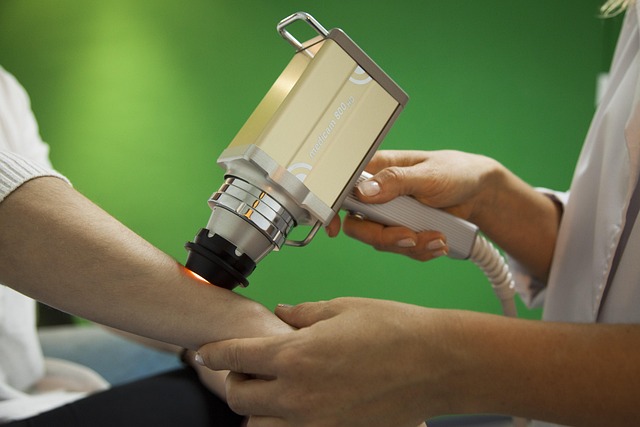
Skin tags are a common skin concern, but traditional removal methods can be harsh and cause discomfort. Many people now seek safe, gentle, and natural solutions for quick skin tag removal treatment. Essential oils and natural treatments offer a promising alternative, promoting soft, smooth skin without the side effects often associated with chemical-based products.
Essential oils like tea tree oil, lavender, and apple cider vinegar have shown effectiveness in eliminating skin tags. Tea tree oil’s antimicrobial properties can help reduce skin tags caused by bacterial infections. Lavender oil possesses anti-inflammatory attributes, making it ideal for soothing irritated skin. Apple cider vinegar’s acidity can dissolve the skin cells forming tags. Application methods include diluting a few drops of oil with a carrier oil and gently massaging the affected area or soaking a cotton ball in apple cider vinegar and applying it directly to the tag.
Professional services like private skin tag removal Reading, cosmetic skin tag removal Cambridge, and private skin tag removal Bristol offer advanced natural treatments for those seeking expert care. These practitioners utilize specialized techniques such as cryotherapy (freezing), lancing, or surgical excision under local anesthesia, ensuring minimal pain and rapid recovery. While these procedures may be more costly, they provide a permanent solution, making them a worthwhile investment for those who prefer a one-time fix rather than repeated at-home treatments.
It’s essential to consult a dermatologist or qualified skincare professional before attempting any home remedies, especially if skin tags are causing discomfort, bleeding, or persistent infections. They can offer personalized advice based on your specific condition and skin type, ensuring the most effective and safe quick skin tag removal treatment naturally.
Safe Surgical Options: Professional Skin Tag Excisions

Skin tags are small, soft appendages that can develop anywhere on the body, often causing discomfort and aesthetic concerns. While there are numerous home remedies and over-the-counter treatments for quick skin tag removal naturally, some individuals prefer safer surgical options for their effectiveness and permanence. Professional skin tag excisions offer a simple procedure with minimal downtime, making them an appealing choice for those seeking swift relief from unsightly tags.
For those in search of skilled and discreet services, locations like Wakefield, Reading, and Maidstone provide excellent cosmetic skin tag removal options. These areas are home to experienced dermatologists and medical professionals who specialize in various skin treatments. A visit to such clinics allows patients to benefit from advanced techniques and personalized care. The procedure typically involves numbing the affected area before carefully excising the skin tags with precise cuts or specialized tools, ensuring minimal scarring. Post-operative care instructions are provided to maintain optimal healing.
This method stands out due to its safety and efficiency compared to other quick fixes. It offers a permanent solution, eliminating the need for repeated treatments. Moreover, professional excision can be tailored to individual needs, addressing specific concerns or large clusters of skin tags. With proper aftercare, patients can expect their skin to heal smoothly, leaving behind a clear and smooth canvas. This approach is ideal for those seeking a swift and safe end to their skin tag journey, reclaiming their confidence without the worry of unsightly remnants.
Preventing Recurrence: Long-Term Care Strategies

Preventing recurrence is a crucial aspect of skin tag removal, ensuring long-term relief from these small but often annoying growths. While quick skin tag removal treatments naturally have their place, addressing the root causes and implementing preventive strategies is key to managing and reducing their reappearance. This involves adopting lifestyle changes and considering specialized care, especially in areas like Bristol and Oxford where access to skilled practitioners is readily available.
One effective approach is to maintain good skin health by keeping the skin clean and moisturized. Regular cleansing with mild soaps and avoiding harsh chemicals can prevent irritation that might lead to skin tag formation. Additionally, staying hydrated supports skin elasticity, making it less susceptible to tags. Diet plays a significant role too; incorporating antioxidants-rich foods and vitamins C and E can boost the body’s natural defense mechanisms against these growths.
Consulting specialists like those in Bristol or Oxford can provide tailored advice and safe removal techniques. Skilled professionals offer various methods, including minor procedures that target specific tags while minimizing scarring. For instance, cryotherapy, a quick freezing technique, is often recommended for small skin tags. Alternatively, surgical excision under local anesthesia is suitable for larger ones. Post-removal care involves keeping the treated area clean and protected to prevent infection or irritation, which could trigger recurrence. Regular check-ups with specialists ensure any new growths are addressed promptly, further reducing the risk of long-term persistence.
Understanding skin tags’ causes and knowing when to remove them is essential for maintaining healthy skin. The article has explored a range of safe and effective methods, from gentle at-home remedies and natural treatments with essential oils to professional surgical options. For quick skin tag removal treatment naturally, readers can consider essential oils like tea tree or lavender oil, which have shown promising results. Additionally, preventing recurrence through long-term care strategies is crucial, ensuring that skin tags don’t reoccur. By combining these approaches, individuals can achieve and maintain smooth, tag-free skin while avoiding the risks associated with harsher methods. This comprehensive guide arms readers with the knowledge to make informed decisions about their skin health.