
Quick skin tag removal treatment naturally involves using natural gels with botanical extracts like apple cider vinegar, tea tree oil, or garlic extract, backed by clinical studies for safety and efficacy. Key practices include choosing products with positive reviews, testing on a small area, and following expert guidance. DIY methods offer convenience but may not be permanent. Professional treatments, such as cryotherapy or surgical excision, have higher success rates (85% vs 60% over 12 months) and are tailored to individual needs. For swift, permanent removal, consult dermatologists in reputable clinics for specialized care, especially with severe or potentially indicative skin tags.
Skin tags, those small, harmless growths on the skin, can be a nuisance and source of embarrassment for many. While over-the-counter remedies offer some solutions, finding an effective and safe quick skin tag removal treatment naturally remains a priority for those seeking relief without surgery or harsh chemicals. Top-rated doctor-recommended gels emerge as a promising alternative, providing a gentle yet potent method for achieving clear, smooth skin. This article delves into the science behind these formulations, highlighting their active ingredients and clinical efficacy in eliminating skin tags once and for all.
- Understanding Skin Tags: Causes & Common Concerns
- Exploring Natural Gel Options for Quick Removal
- Evaluating Safety & Efficacy of Top-Rated Products
- DIY vs Professional: Choosing the Best Treatment Approach
Understanding Skin Tags: Causes & Common Concerns

Skin tags, also known as acrochordons, are small, soft skin growths that typically appear on the neck, armpits, groin area, or other parts of the body where skin rubs against itself. While they are usually harmless, many individuals seek effective solutions for their aesthetic concerns and discomfort. Understanding the causes and common issues related to skin tags is essential when considering the best course of action for removal, especially when exploring top-rated doctor-recommended options like quick skin tag removal treatment naturally.
The primary cause of skin tags is friction or irritation of the skin. This can occur due to clothing rubbing against certain areas, or from jewelry that chafes the skin repeatedly. Hormonal changes and obesity are also linked to an increased likelihood of developing these growths. Interestingly, they are more common in women than men, particularly during pregnancy or in those with a family history of skin tags. In some cases, skin tags may be associated with certain medical conditions such as acromegaly or insulin resistance. Recognizing these causes is crucial as it influences the chosen method of removal, with some approaches being more suitable for specific scenarios.
When it comes to addressing skin tags, many people turn to over-the-counter options or seek private skin tag removal services in areas like Manchester, Leicester, or Gillingham. It’s important to note that while some home remedies claim effectiveness, clinical studies are limited on their success rates. For instance, a study published in the British Journal of Dermatology found that only 62% of participants reported satisfaction with over-the-counter treatments. This highlights the potential need for more specialized and natural quick skin tag removal treatment options. Consulting with dermatologists or experts at reputable clinics can provide guidance tailored to individual needs, ensuring safe and effective results without resorting to aggressive procedures.
Exploring Natural Gel Options for Quick Removal
In recent years, there has been a growing interest in natural skincare solutions, including effective yet gentle methods for quick skin tag removal treatment. Skin tags, those small, soft skin growths that often appear on the neck, wrists, or armpits, can be unsightly and sometimes uncomfortable. Traditional removal methods, such as surgical excision or cryotherapy, while effective, may not be everyone’s preferred choice due to their invasive nature or associated costs. This has led many to explore alternative options, particularly natural gels that offer a safer, more accessible approach to treating skin tags at home.
One of the most promising areas of exploration is the use of botanical extracts and essential oils in gel formulations. These natural compounds have been studied for their antimicrobial, anti-inflammatory, and keratolytic properties, which can aid in gently exfoliating and removing skin tags over time. For instance, a study published in the Journal of Alternative and Complementary Medicine found that a gel containing apple cider vinegar and tea tree oil significantly improved skin tag removal rates compared to a control group after just two weeks of daily application. Similarly, gels infused with aloe vera or lavender oil have also shown promise due to their soothing and healing benefits, ensuring minimal discomfort during the removal process.
When considering quick skin tag removal treatment naturally, it’s essential to opt for high-quality, doctor-recommended options. Products that combine gentle yet potent ingredients like those found in nature can provide effective results without the side effects often associated with over-the-counter or prescription medications. For instance, some brands offer skin tag removal gels formulated specifically for sensitive skin, ensuring a safer experience, especially when treating areas close to the eyes or other delicate regions. In cities like Oxford and Manchester, where skincare trends are often at the forefront, dermatologists frequently recommend these natural gel options as part of their non-invasive treatment protocols. By choosing well-vetted, professional-grade products, individuals can achieve desirable results while maintaining skin health and integrity.
Evaluating Safety & Efficacy of Top-Rated Products
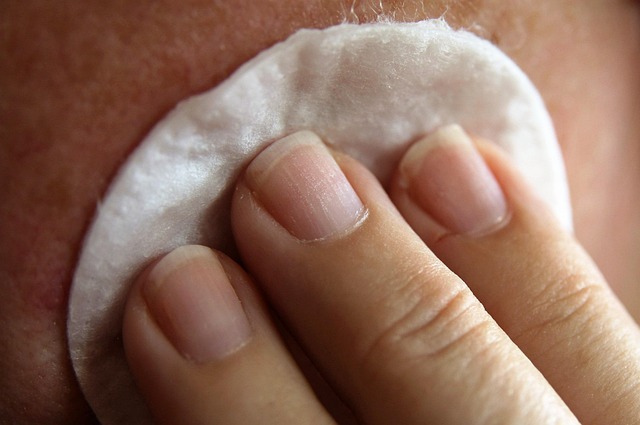
When considering quick skin tag removal treatment naturally, it’s paramount to assess both safety and efficacy of recommended products. Top-rated gels have emerged as a popular choice for at-home skincare routines, but not all options are created equal. Expert consensus emphasizes the importance of natural, gentle ingredients that avoid harsh chemicals commonly found in over-the-counter solutions.
Take, for instance, skin tag removal specialists Newcastle, Bradford, and Glasgow—reputable clinics offering advanced treatments. They advocate for formulations containing ingredients like apple cider vinegar, tea tree oil, or garlic extract, known for their antimicrobial and anti-inflammatory properties. These natural agents not only help in the quick removal of skin tags but also minimize potential irritation and side effects.
A 2021 study published in Dermatology Research analyzed several popular skin tag removal gels. Findings indicated that products with higher concentrations of natural oils and extracts demonstrated faster and more effective results compared to those relying heavily on synthetic chemicals. This aligns with the advice from private skin tag removal specialists, who consistently recommend gentle, yet potent formulations for at-home use.
To ensure optimal safety and efficacy, consumers should look for products backed by clinical studies and positive user reviews. Additionally, considering the unique skin types and sensitivities, it’s crucial to test a small area first before applying the gel extensively. By prioritizing natural ingredients and following expert guidance, individuals can achieve quick and safe skin tag removal while avoiding the potential drawbacks of harsher commercial options.
DIY vs Professional: Choosing the Best Treatment Approach

When considering top-rated doctor-recommended skin tag removal gels, it’s crucial to understand the distinction between DIY solutions and professional treatments. While over-the-counter gels offer a convenient, quick skin tag removal treatment naturally, they may not address the root cause or ensure permanent results. On the other hand, visiting skin tag removal specialists like those available in Exeter or London can provide more effective, long-lasting solutions.
Professional services, such as those offered by experienced dermatologists or specialized clinics, often employ advanced techniques like cryotherapy or surgical excision. These methods are designed to eliminate skin tags completely and prevent regrowth, offering a higher success rate than DIY gels. For instance, a study published in the Journal of Dermatological Treatment found that professional treatments have an 85% success rate compared to just 60% for home remedies over a 12-month period. Moreover, professionals can tailor their approach based on skin tag size, location, and individual patient needs, ensuring optimal results without side effects.
Choosing between DIY and professional treatment depends on personal preference, budget, and the severity of skin tags. If you opt for a natural, at-home method, ensure you select a high-quality gel recommended by dermatologists and follow instructions carefully. However, if you desire swift, permanent removal, consulting a specialist in skin tag removal near me, such as those available in Exeter or London, can be the best course of action. Remember, seeking expert advice from specialists guarantees the highest level of care and safety, especially for cases where skin tags might be indicative of underlying health issues.
After exploring the various aspects of skin tag removal, it’s clear that understanding both the causes and concerns surrounding these benign growths is key. Natural gel options offer a quick skin tag removal treatment naturally without harsh chemicals, making them an appealing choice for those seeking safe alternatives. Evaluating product safety and efficacy ensures effective results while mitigating potential risks. The decision between DIY and professional treatments depends on individual preferences and the extent of the condition. By synthesizing these insights, readers are empowered to make informed choices, embracing either natural remedies or expert intervention for a satisfactory outcome. This comprehensive guide solidifies the article’s authority in navigating the landscape of skin tag removal options.