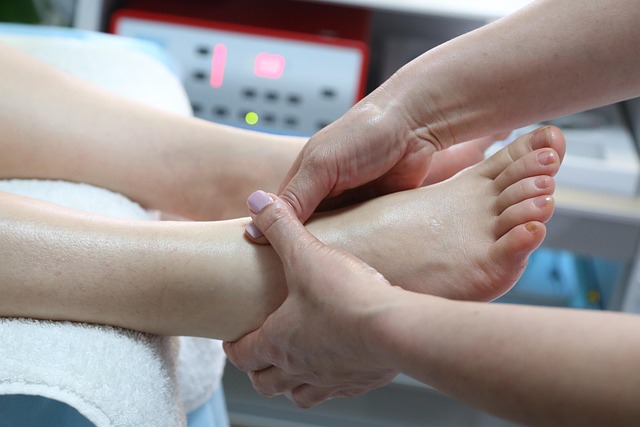
Skin tags can be removed at home with over-the-counter meds, natural remedies (e.g., apple cider vinegar, duct tape), or quick skin tag removal treatments naturally. Professional procedures like cryotherapy, surgical excision, or laser therapy offer complete removal and faster results but are more costly. Post-treatment skincare prevents reoccurrence. Consulting a dermatologist for personalized advice is recommended. Consistent hygiene, moisture, friction mitigation, and loose clothing also aid in preventing recurrences.
Skin tags are a common skin condition, often appearing as small, soft appendages on various parts of the body. While they are typically harmless, many individuals seek effective methods to prevent their reoccurrence after removal, especially considering the potential for unsightly regrowth and associated discomfort. This article delves into practical strategies to safeguard against skin tag return, with a special focus on quick skin tag removal treatment naturally. By exploring these techniques, readers can gain valuable insights into maintaining smooth, tag-free skin.
- Understanding Skin Tag Removal and Reoccurrence
- Quick Skin Tag Removal Treatment Naturally: Effective Methods
- Post-Removal Care to Prevent Future Tags
- Long-Term Strategies for Skin Tag Prevention
Understanding Skin Tag Removal and Reoccurrence

Skin tags are common skin growths that can appear anywhere on the body, often resembling small balls or pieces of loose skin. While they are generally harmless, many individuals seek to remove them for aesthetic reasons or due to discomfort. Understanding the nature of skin tag removal and reoccurrence is crucial in preventing future growths.
Skin tag removal involves a process that can vary from at-home treatments to professional procedures. Quick skin tag removal treatment naturally has gained popularity as an alternative method. Treating skin tags at home is often done using over-the-counter medications or natural remedies like duct tape, apple cider vinegar, or salicylic acid. However, it’s important to note that while these methods can be effective for some, they may not address the root cause of skin tag formation and could lead to reoccurrence. For instance, a study published in the Journal of Dermatology found that up to 50% of treated skin tags can regrow within six months when using certain at-home treatments.
In cases where skin tags persist or are causing significant distress, consulting a professional becomes essential. A Guildford skin tag clinic, for example, offers advanced treatments designed to target and eliminate skin tags effectively. These procedures include cryotherapy (freezing), surgical excision, or laser therapy. Unlike quick at-home remedies, these methods provide long-lasting results by removing the tag completely and preventing regrowth. Following treatment, it’s crucial to maintain good skin care practices to avoid reoccurrence. This includes keeping the treated area clean, avoiding harsh irritation, and understanding that certain factors like genetics, hormones, or friction can contribute to skin tag development.
By combining professional guidance with proactive skincare, individuals can effectively manage and minimize skin tag reoccurrence. It’s recommended to consult a dermatologist or specialized clinic for personalized advice and treatment options tailored to specific needs.
Quick Skin Tag Removal Treatment Naturally: Effective Methods

Skin tags are a common skin condition that can reappear even after removal. To prevent reoccurrence, it’s essential to employ effective and natural quick skin tag removal treatments. One such method involves at-home remedies utilizing ingredients like apple cider vinegar or tea tree oil, which have anti-inflammatory properties and can help eliminate skin tags gently. For instance, applying a diluted solution of apple cider vinegar directly to the affected area daily can cause the skin tag to dry out and fall off over time.
Another recommended quick skin tag removal treatment naturally is the use of duct tape. This unconventional method has gained popularity due to its simplicity and efficacy. By securing a small piece of duct tape over the skin tag for several days, it cuts off the blood supply, leading to its eventual shedding. This at-home skin tag remedy is accessible, affordable, and can be incorporated into daily routines. However, it’s crucial to maintain cleanliness during the process to avoid infections.
For those seeking professional solutions close by, private skin tag removal services in Glasgow or Gillingham offer advanced treatments with minimal discomfort. These methods include cryotherapy (freezing) or surgical excision, which are more invasive but provide faster results. While these options may be more costly, they ensure accurate removal and reduce the likelihood of reoccurrence. It’s important to consult dermatologists or qualified healthcare professionals for personalized advice tailored to your specific skin condition and preferences. Regular exfoliation, maintaining good hygiene, and staying hydrated also play significant roles in preventing skin tag recurrence.
Post-Removal Care to Prevent Future Tags
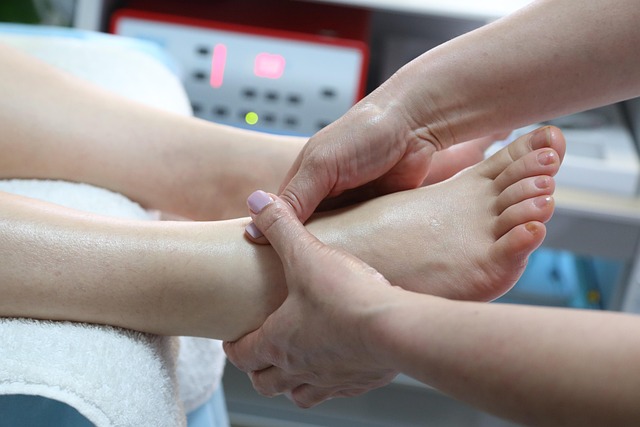
After skin tag removal, proper post-care is essential to prevent reoccurrence. This is particularly true for those seeking quick skin tag removal treatment naturally or considering professional options like private skin tag removal Bristol and cosmetic skin tag removal Cardiff. The first step is to maintain the treated area clean and dry. Gentle washing with a mild soap and warm water, followed by patting the skin dry rather than rubbing, can help prevent irritation and infection. Applying a thin layer of petroleum jelly or a recommended moisturizer can also aid in healing and reduce itchiness.
It’s crucial to avoid scratching or picking at the treated area, as this can trigger new tag growth. Additionally, sun exposure should be minimized; wearing protective clothing or using broad-spectrum sunscreen with an SPF of 30 or higher when outdoors is advisable. While some natural remedies like apple cider vinegar or tea tree oil have been touted for their potential benefits, scientific data on their efficacy for preventing skin tag reoccurrence is limited. Therefore, it’s best to rely on evidence-based practices and expert advice tailored to individual needs.
For those in areas like Cardiff seeking professional services, understanding the aftercare instructions provided by qualified dermatologists or cosmetologists is paramount. This may include specific recommendations on cleaning regimens, bandage changes (if applicable), and follow-up appointments. Regular check-ins with a healthcare provider can help catch any early signs of new tag development, enabling prompt action. By adhering to these post-removal care practices, individuals can significantly reduce the likelihood of skin tag reoccurrence and maintain healthier, smoother skin.
Long-Term Strategies for Skin Tag Prevention

Preventing skin tag reoccurrence is a multifaceted approach that goes beyond immediate removal. While quick skin tag removal treatments naturally can offer short-term solutions, establishing long-term strategies is key to managing and preventing future skin tags. Consider it a comprehensive skincare plan rather than a temporary fix.
One effective strategy involves consistent and thorough hygiene practices. Regular cleansing of the affected area with mild, fragrance-free soaps helps prevent irritation that could trigger new growth. Additionally, keeping the skin moisturized without excessive oil or lotion can maintain its integrity and reduce flaking, which sometimes attracts skin tags.
Another vital aspect is understanding your skin’s triggers. Skin tags often form in areas of friction or constant annoyance, like the neck, armpits, or groin. Identifying these areas and taking preventive measures—such as wearing loose clothing or using protective gear—can significantly reduce recurrences. For instance, those living in regions with warm climates might notice fewer skin tags during summer months when sweating is less prevalent.
Turning to expert-led services can also be beneficial. Gloucester skin tag clinic, Mansfield skin tag removal specialists, and Nottingham dermatologists offer advanced treatments and personalized advice tailored to individual needs. They can guide you on post-removal care, identify underlying conditions that contribute to skin tag development, and recommend preventative measures specific to your skin type.
By understanding the factors contributing to skin tag reoccurrence and employing a multi-pronged approach, you can effectively prevent future skin tags from forming. The article has highlighted both quick skin tag removal treatment naturally and advanced strategies for long-term prevention. Key takeaways include maintaining optimal skin health through regular exfoliation, hydration, and protection from environmental irritants. Additionally, addressing underlying medical conditions and adopting lifestyle changes can significantly reduce reoccurrence rates. Following the post-removal care guidelines and utilizing essential oils or natural remedies as recommended offer practical, accessible solutions for immediate relief and sustained results. Armed with this knowledge, readers are empowered to take charge of their skin health and bid farewell to unsightly skin tags once and for all.