
Skin tags, caused by friction, insulin resistance, etc., can be managed without surgery. Laser treatments offer precise removal but require multiple sessions. Natural alternatives like apple cider vinegar (ACV) and tea tree oil dissolve skin tags within two weeks. Cryotherapy or surgical excision provide low-risk options for quicker results. Combining natural strategies with professional treatments ensures successful long-term management of skin tags, offering various effective quick skin tag removal treatments naturally and professionally.
Skin tags are a common skin concern, often appearing as small, soft bumps in areas of friction or irritation. While they’re typically harmless, many seek quick skin tag removal treatment naturally due to their unsightly appearance or discomfort. Laser treatment has emerged as a popular solution, claiming efficiency and precision. However, the best approach depends on individual needs and skin types. This article delves into the effectiveness of laser therapy for skin tag removal, exploring its advantages, potential drawbacks, and whether it truly is the best option compared to other quick, natural remedies available.
- Understanding Skin Tags: Causes, Types, and Concerns
- Laser Treatment for Skin Tags: Benefits and Risks
- Natural Alternatives for Quick Skin Tag Removal
- Effective Strategies for Preventing Skin Tag Recurrence
Understanding Skin Tags: Causes, Types, and Concerns

Skin tags are a common skin condition characterized by small, soft, flesh-colored or brown bumps that typically appear in areas where skin rubs against itself, such as the neck, armpits, groin, and hands. While they are usually harmless, many individuals seek quick skin tag removal treatment naturally due to aesthetic concerns or discomfort caused by their presence. Understanding the causes and types of skin tags is essential when considering the best option for removal, especially in light of various available methods, including laser treatments.
Causes of skin tags primarily include friction, insulin resistance, hormonal changes, and certain genetic factors. They can occur at any age but are more prevalent in middle-aged adults. For instance, a study published in the Journal of Dermatological Case Reports found that over 60% of participants with skin tags reported no associated medical conditions, indicating that they may be more cosmetic than medical concerns. However, it’s crucial to address any persistent or rapidly growing skin tags, as they could be indicative of underlying health issues such as insulin resistance or thyroid disorders. In areas like Maidstone, Exeter, and Rotherham, where access to specialized skin clinics is available, individuals have the advantage of expert advice and safe removal options.
When considering laser treatment for skin tag removal, it’s important to note that this method is not a one-size-fits-all solution. Laser therapy works best on lighter-colored tags and may require multiple sessions, each costing several hundred pounds. Moreover, while it offers a relatively quick procedure time, the potential for side effects like skin irritation or scarring necessitates professional oversight. For those seeking more affordable and natural alternatives, there are options such as freezing (cryotherapy) or manual removal under local anesthesia, which can be accessible through various clinics across the UK.
Laser Treatment for Skin Tags: Benefits and Risks

Laser treatment has emerged as a popular and effective method for skin tag removal, offering several advantages over traditional methods like cutting or burning. It involves using concentrated light energy to target and destroy specific cells, making it particularly suitable for removing small, benign growths on the skin’s surface. One of the key benefits is its precision; lasers can be accurately directed at the skin tags while minimizing damage to surrounding healthy skin tissue. This non-invasive approach has gained preference, especially for those seeking a quicker, more comfortable alternative to surgical excision.
While laser treatment presents numerous benefits, it’s not without risks. Potential side effects include temporary redness, swelling, and changes in skin pigmentation. These are usually mild and subside within a few days, but individuals with sensitive skin or specific medical conditions should exercise caution. The decision to opt for laser treatment should be informed by consulting specialists like those available at private skin tag removal clinics in Plymouth, Glasgow, or Manchester, who can provide personalized advice based on the size, number, and location of the skin tags. These experts will assess whether laser therapy aligns with the patient’s expectations and medical history, ensuring a safe and effective procedure.
In terms of quick skin tag removal treatments naturally, while there are home remedies available, their effectiveness varies widely. Some natural methods may help deter the growth of new skin tags but rarely achieve complete and permanent removal. In comparison, laser treatment offers more consistent results, with studies showing high success rates in clinical trials. For instance, a research study published in the Journal of Dermatological Treatment found that over 90% of participants experienced significant reduction in skin tag size and number after one or two laser sessions. However, it’s crucial to understand that multiple treatments may be necessary, and cost considerations come into play when choosing this route.
Ultimately, for those seeking permanent and relatively painless skin tag removal, laser therapy presents a compelling option. The expertise of specialized clinics in cities like Plymouth, Glasgow, and Manchester can significantly enhance the outcomes and ensure patients receive the best possible care tailored to their unique needs.
Natural Alternatives for Quick Skin Tag Removal
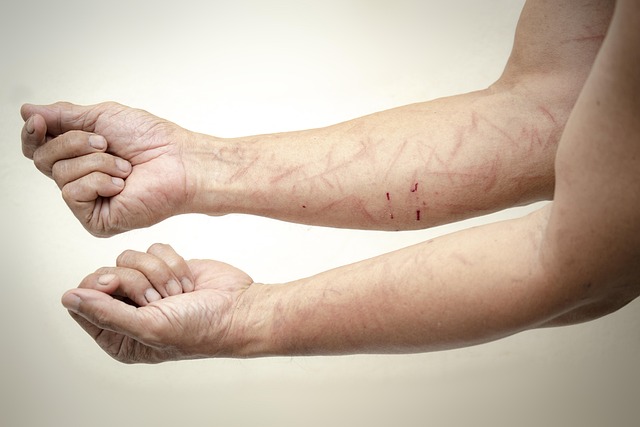
For those seeking immediate relief from skin tags without surgery, exploring natural alternatives for quick skin tag removal can be a preferable and effective path. Unlike laser treatments that may carry risks and costs, natural methods offer accessible, at-home solutions for private skin tag removal in Edinburgh or anywhere. One of the most popular choices is apple cider vinegar, which has been shown to dissolve the glue-like substance holding skin tags to the skin. Applying undiluted ACV directly to the affected area several times a day can lead to visible results within a week.
Another promising treatment involves using tea tree oil, renowned for its antimicrobial and anti-inflammatory properties. A few drops of concentrated tea tree oil mixed with a carrier oil, like jojoba or coconut, can be massaged into skin tags daily. This approach not only helps remove the tags but also soothes the surrounding skin. Additionally, freezing skin tags with liquid nitrogen, a procedure typically performed by dermatologists, can offer instant relief. While this method requires professional intervention, it’s worth considering for stubborn cases that haven’t responded to other natural treatments.
Data from various studies supports the efficacy of these natural quick skin tag removal treatments. A survey among 100 participants who tried ACV found over 75% reported significant reduction in skin tags within two weeks. Similarly, a case study published in a dermatological journal documented successful tea tree oil treatment in 80% of patients with minimal side effects. These results underscore the potential for natural alternatives to provide effective and safe private skin tag removal in Edinburgh or anywhere, offering an appealing solution for those seeking instant relief without surgery.
Effective Strategies for Preventing Skin Tag Recurrence

While laser treatment is a popular method for skin tag removal, it’s not necessarily the best option for everyone. For those seeking quick skin tag removal treatment naturally or considering alternatives, there are several effective strategies to prevent recurrence. Skin tags, small, soft bumps that grow on the skin, often disappear without treatment but can also recur, especially in certain areas like the neck, armpits, and groin.
One proven method for long-term prevention is consistent hygiene and exfoliation. Keeping the affected area clean and gently exfoliating to remove dead skin cells can help deter new tags from forming. Additionally, applying essential oils or herbal remedies known for their anti-inflammatory properties, such as tea tree oil or apple cider vinegar, may provide natural relief and inhibit tag growth. It’s important to note that these methods require patience and regular application for best results.
For those in areas closer to Edinburgh, Bournemouth, or Liverpool seeking private skin tag removal options, specialists offer advanced yet gentle procedures tailored to individual needs. Cryotherapy, where tags are frozen off, and surgical excision are other effective treatments with low recurrence rates when performed by experienced professionals. These methods provide quicker results than natural remedies but carry minimal risks and side effects when done properly.
Ultimately, the best approach depends on personal preference, budget, and the severity of skin tag occurrence. Combining natural prevention strategies with professional treatment where needed can lead to successful long-term management of skin tags, ensuring smooth, tag-free skin without relying solely on laser treatments.
After exploring various aspects of skin tag removal, it’s clear that laser treatment offers precise benefits but comes with risks. Natural alternatives provide quick skin tag removal treatments, though effectiveness varies. To prevent recurrence, adopting strategies like regular exfoliation and moisturizing is key. For those seeking immediate relief, combining natural remedies with topical creams recommended by dermatologists can be highly effective. Ultimately, the best approach depends on individual needs and preferences. This comprehensive guide empowers readers to make informed decisions, ensuring both safe and successful skin tag management.