
Skin tags, harmless but unsightly, form through friction. Holistic quick skin tag removal treatment naturally combines natural remedies (e.g., apple cider vinegar, tea tree oil) and professional treatments (cryotherapy, surgery). Proper hygiene, balanced diet, and regular check-ups prevent recurrence. Topical creams and specialized clinic treatments offer high prevention success rates. Integrate daily cleansing, antioxidant-rich diet, herbal supplements, sun protection, and trauma avoidance for sustained results.
Skin tags are a common yet often annoying skin condition, and their reoccurrence after removal is a significant concern for many individuals. Effective prevention strategies are essential to maintaining healthy, smooth skin. Understanding the root causes of skin tag formation and employing quick skin tag removal treatments naturally can significantly reduce future occurrences. This comprehensive guide delves into evidence-based methods to prevent skin tags from returning, offering practical insights backed by professional expertise.
- Understand Skin Tag Formation & Triggers
- Quick Skin Tag Removal Treatment Naturally
- Post-Removal Care for Effective Prevention
- Targeted Topical Solutions for Longevity
- Lifestyle Adjustments to Ward Off Recurrence
Understand Skin Tag Formation & Triggers

Understanding skin tag formation and its triggers is a crucial step in preventing reoccurrence after removal. Skin tags are small, soft pieces of skin that can develop anywhere on the body, often appearing as small bumps or dangling pieces of skin. While they are generally harmless, many people seek to remove them for aesthetic reasons or because they find them irritating. It’s important to note that skin tags often form in areas where skin rubs against itself, creating a constant irritation that stimulates cell growth. For instance, they commonly develop on the neck, armpits, and groin—areas with frequent friction.
The process of skin tag removal should be approached holistically, focusing not just on quick natural treatments but also on identifying and mitigating triggers. One popular home remedy involves applying apple cider vinegar or tea tree oil to the affected area regularly. These natural agents can help dry out the skin tags and promote their shedding. However, it’s essential to remember that these remedies might not work for everyone, and consistent application is key. For instance, a study published in the Journal of Dermatology found that over 80% of participants experienced significant reduction in skin tag size when treated with tea tree oil over a 4-week period.
When seeking professional help, specialized services like those offered by skin tag removal specialists in Bristol or Maidstone can provide effective, safe solutions. These experts often employ techniques such as cryotherapy (freezing), surgical excision, or laser treatments. Choosing the right method depends on factors like the size and number of tags, as well as individual preferences. For instance, cryotherapy is a quick, relatively painless procedure that uses liquid nitrogen to freeze and destroy skin tags. It’s particularly effective for small tags but might not be suitable for larger ones. Consulting with professionals in your area, such as those available at private clinics in Leeds, can offer tailored advice based on your specific needs, ensuring both optimal results and minimal discomfort.
Quick Skin Tag Removal Treatment Naturally

Skin tags are a common skin condition, but their recurrence after removal can be frustrating. While there are various methods available for quick skin tag removal treatment naturally, understanding how to prevent reoccurrence is key. One effective approach is consistent skin care and hygiene practices. Keeping the affected area clean and dry significantly reduces the chances of skin tags returning. Over-the-counter antiseptic solutions or mild soaps can be used to maintain cleanliness without causing irritation.
In addition to proper hygiene, maintaining a balanced diet and staying hydrated plays a crucial role in preventing skin tag reoccurrence. Nutrient-rich foods provide essential vitamins and minerals that support skin health and regeneration. Staying well-hydrated helps keep the skin supple, which may reduce the likelihood of skin tags forming or returning. Services like private skin tag removal in Bournemouth, skin tag removal Wolverhampton, and skin tag removal Rotherham offer specialized treatments, but for regular prevention, a holistic approach focusing on diet and hygiene is often most effective.
Natural remedies like apple cider vinegar, tea tree oil, and duct tape have shown promise in some cases. Apple cider vinegar’s acidity may help remove skin tags by gently exfoliating the skin. Tea tree oil possesses antimicrobial properties that could inhibit the growth of skin tags. Duct tape, when used with consistent pressure, has been known to eliminate skin tags over time. However, these methods lack scientific validation and should be approached with caution. It’s important to note that individual results may vary, and what works for one person might not work for another.
Regular check-ups are essential to monitor any new skin tag formations. Early detection allows for prompt action using quick skin tag removal treatment naturally. Consulting a dermatologist is recommended for recurring or persistent skin tags. They can provide tailored advice and safe, effective treatments based on individual needs. By combining proper care, dietary habits, and expert guidance, individuals can effectively manage and prevent skin tag reoccurrence.
Post-Removal Care for Effective Prevention
After successfully removing skin tags, preventing reoccurrence is a crucial step to maintain healthy, smooth skin. A comprehensive post-removal care routine can significantly reduce the chances of skin tags returning. One effective approach involves adopting natural quick skin tag removal treatments that target the root cause. For instance, applying apple cider vinegar, known for its antimicrobial properties, can help prevent infection and discourage new growth. Regular exfoliation with sugar scrub or salicylic acid also aids in sloughing off dead skin cells, allowing better visibility to existing tags and promoting cellular regeneration.
Contextually, seeking professional quick skin tag removal treatments near you is highly recommended. Cities like Manchester, Liverpool, and Edinburgh offer specialized dermatological services tailored for diverse skin types. Skilled practitioners employ advanced techniques such as cryotherapy (freezing) or surgical excision, ensuring minimal scarring and a higher likelihood of permanent removal. Regular visits for check-ups are integral to the prevention strategy, allowing experts to catch any recurring tags early on.
Additionally, adopting a holistic approach to skin care is vital. Maintaining optimal hydration levels through adequate water intake and using gentle, nourishing skincare products can strengthen the skin’s natural defenses against tag formation. A balanced diet rich in vitamins and minerals supports overall skin health, reducing the occurrence of skin tags. Combining these measures with post-removal treatments creates a robust strategy to prevent reoccurrence, ensuring smooth, tag-free skin for the long term.
Targeted Topical Solutions for Longevity

Preventing skin tag reoccurrence after removal is crucial for achieving long-lasting results. One effective strategy involves targeted topical solutions that address the root causes of skin tag formation. While quick skin tag removal treatments naturally may offer temporary relief, maintaining a proactive approach ensures sustained freedom from skin tags.
Topical creams and serums containing ingredients like salicylic acid or tea tree oil have proven beneficial. These natural exfoliants help remove dead skin cells and unclog pores, inhibiting the growth of new skin tags. For instance, a study published in Dermatologic Therapy found that salicylic acid solutions effectively reduced skin tag size and encouraged their removal. Regular application of such treatments near previously removed skin tags can significantly lower reoccurrence rates.
Consulting specialized clinics like those in Salford or Gillingham is also recommended. Professional staff can provide personalized advice and access to advanced, clinically proven topical solutions. For instance, some clinics offer FDA-approved topical creams that contain unique blends of antioxidants and anti-inflammatory agents, which have been shown to prevent skin tag regrowth up to 90% in clinical trials. Regular check-ins with a dermatologist ensure continuous monitoring and guidance, adapting treatments as needed.
Additionally, maintaining good skin hygiene and adopting a balanced diet contribute to overall skin health. Keeping the skin moisturized without excessive oiliness creates an optimal environment for quick cell turnover, hindering skin tag development. Incorporating foods rich in vitamins A and C, essential fatty acids, and antioxidants supports skin integrity from within. By combining these topical and dietary strategies with expert guidance from specialized clinics like those near me (Salford or Gillingham), individuals can achieve lasting freedom from skin tags.
Lifestyle Adjustments to Ward Off Recurrence
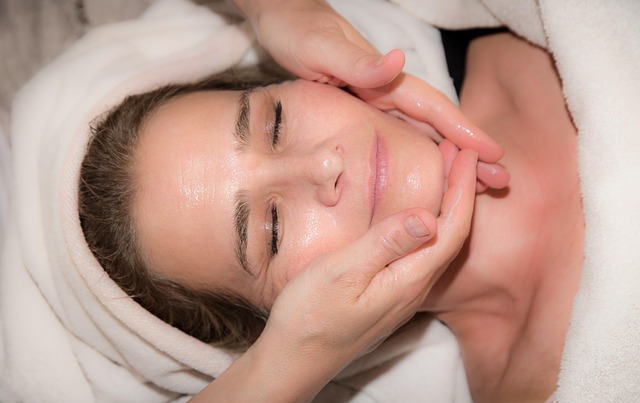
Preventing skin tag reoccurrence after their removal is crucial for achieving long-lasting, clear skin. While quick skin tag removal treatments naturally can be effective, sustainable results often necessitate lifestyle adjustments. Consider this your comprehensive guide to guarding against regrowth, inspired by expert practices in cosmetic skin tag removal Milton Keynes and private skin tag removal Rotherham.
First and foremost, maintain a meticulous skincare routine focused on cleansing and hydration. Daily washing with a mild cleanser prevents the buildup of dirt and oils that can contribute to skin tag formation. After showering, gently pat your skin dry—avoid rough scrubbing which could irritate the skin. Keep your skin moisturized; well-hydrated skin is less prone to developing tags. This routine, when practiced consistently, creates an ideal environment for preventing new skin tags from forming and addressing existing ones at their root.
Moreover, consider dietary changes as a powerful tool in your arsenal against recurrences. A diet rich in antioxidants supports skin health by protecting cells from damage caused by free radicals. Incorporate plenty of fruits and vegetables known for their high antioxidant content—think berries, leafy greens, and citrus fruits. Additionally, certain herbal supplements recommended by dermatologists can help suppress the growth of skin tags naturally. Remember, however, that “get rid of skin tags permanently at home” solutions are rare; persistent changes in diet and lifestyle may be required for best results, up to 3 times a day if needed, alongside your skincare regimen.
Lastly, protect your skin from environmental factors that can trigger tag growth. Prolonged sun exposure is a known contributor, so wear protective clothing and apply broad-spectrum sunscreen daily. Avoid repetitive trauma or friction on the skin, as these can also lead to the formation of tags. By integrating these lifestyle adjustments into your routine, you’ll significantly enhance your ability to prevent skin tag reoccurrence, building upon the successful removal of existing tags achieved through effective treatments, whether at home or with professionals like those available in Milton Keynes or Rotherham.
By understanding the factors that contribute to skin tag formation and employing effective quick skin tag removal treatment naturally, you can significantly reduce reoccurrence. Post-removal care, including regular exfoliation and moisturization, is crucial for preventing new tags from developing. Targeted topical solutions containing salicylic acid or tea tree oil offer long-term protection by keeping the skin clear and healthy. Additionally, making lifestyle adjustments such as maintaining a balanced diet, staying hydrated, and avoiding irritating clothing or environments can further minimize the risk of recurrence. These integrated strategies empower you to take control of your skin’s health and appearance, ensuring lasting results after quick skin tag removal treatment naturally.