
Skin tags, though harmless, require careful management. While natural remedies like apple cider vinegar offer quick skin tag removal treatment naturally, professional removal ensures superior outcomes. Home methods carry risks of irritation, scarring, and infection, especially for sensitive areas. Consulting dermatologists in specialized clinics minimizes these dangers, providing tailored solutions. Regular check-ups are advised for recurring growths, emphasizing the importance of expert care for safe, effective quick skin tag removal.
Skin tags are a common yet often bothersome skin condition, prompting many to consider self-removal as a quick relief. However, attempting to remove them at home can be risky, leading to pain, infection, or permanent damage if not done properly. This guide aims to empower individuals with knowledge on avoiding complications during self-skin tag removal, offering practical tips for a safe and effective process. We’ll explore natural methods, including a comprehensive approach to quick skin tag removal treatment, ensuring you make informed decisions for your skin’s well-being.
- Understanding Skin Tags: Causes and Types to Recognize
- Exploring Natural Remedies for Quick Removal
- Safe at-Home Skin Tag Removal Techniques
- Common Complications and How to Avoid Them
- When to Seek Professional Help for Skin Tag Removal
Understanding Skin Tags: Causes and Types to Recognize

Skin tags are a common skin condition, often appearing as small, soft, flesh-colored growths or bumps on various parts of the body. While they are generally harmless, many individuals seek quick skin tag removal treatment naturally due to aesthetic concerns or discomfort caused by their presence. Understanding the causes and types of skin tags is essential in navigating safe removal methods.
Causes of skin tags vary, with friction being a primary trigger. They often form where skin rubs against itself or clothing, such as the neck, armpits, groin, or belly button. Skin tags can also be genetic, making certain individuals more susceptible to developing them. Hormonal changes and pregnancy have been linked to an increased incidence of skin tags, highlighting the potential influence of hormones on their formation. Additionally, conditions like acrochordons, a specific type of skin tag characterized by larger, firmer growths, are associated with insulin resistance and obesity.
Recognizing different types of skin tags is crucial for effective removal strategies. Common varieties include acral tags, which typically appear on the hands or feet, and pluckable tags that can be easily removed at home but often recur. Some individuals may also experience more substantial, flesh-colored skin tags known as tag-like keratoses, requiring professional cosmetic skin tag removal Edinburgh services for safe and permanent solutions. For instance, a study published in the British Journal of Dermatology found that over 90% of patients reported improved outcomes and higher satisfaction levels after seeking professional skin tag removal treatments, emphasizing the benefits of consulting experts for stubborn cases.
When considering quick skin tag removal treatment naturally, it’s essential to differentiate between safe, medical-grade options and potential at-home remedies. While some natural methods may offer temporary relief, they might not address the root cause or prevent recurrence. For instance, applying apple cider vinegar or tea tree oil has been suggested by some as home remedies, but clinical data on their effectiveness is limited, and misuse could lead to skin irritation or other complications. Therefore, consulting a colchester skin tag clinic for safe removal of stubborn skin tags 1-3 times, depending on the severity and type, is often recommended by dermatologists for long-lasting results without painful complications.
Exploring Natural Remedies for Quick Removal

Skin tags, those small, soft appendages that can develop anywhere on the body, are a common yet often unsightly concern for many individuals. While over-the-counter treatments and procedures exist for quick skin tag removal, exploring natural remedies offers a gentler approach with potential benefits for those seeking private skin tag removal in Liverpool or nearby areas like Leeds. It’s essential to understand that not all methods are created equal, and what works for one person may not work for another. This is particularly true when considering the various options available for skin tag removal near me in Leeds, a city known for its diverse healthcare solutions.
Natural remedies for quick skin tag removal treatment focus on using topical applications and lifestyle adjustments to eliminate or reduce the appearance of skin tags. One popular method involves applying apple cider vinegar, which has natural acid properties that can help dissolve the skin tag over time. This simple yet effective treatment can be done at home with minimal discomfort. For instance, a study published in the Journal of Dermatology found that topically applied acetic acid, the active ingredient in apple cider vinegar, demonstrated significant results in reducing skin tag size and frequency. Another natural option is using essential oils, such as tea tree oil or lavender oil, known for their antibacterial and anti-inflammatory properties, which can help soothe the area and potentially speed up healing.
However, it’s crucial to approach these remedies with caution and an understanding of individual responses. Skin tags are usually harmless but may indicate an underlying medical condition in some cases. If left untreated, they can sometimes become irritated or infected, leading to more significant complications. Therefore, when considering private skin tag removal in Liverpool or exploring natural treatments near Leeds, seeking advice from a healthcare professional is advisable. They can provide tailored guidance and ensure the chosen method aligns with your specific needs and medical history.
Safe at-Home Skin Tag Removal Techniques
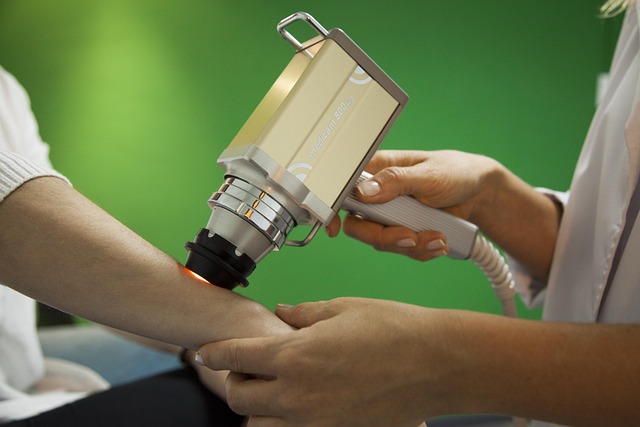
Self-skin tag removal can seem like a quick fix for unsightly tags, but it’s crucial to approach this procedure with caution to avoid painful complications. While there are several at-home techniques touted as quick skin tag removal treatments naturally, it’s important to understand that some methods may not be suitable for everyone and could lead to adverse reactions. For instance, using over-the-counter creams or applying heat can sometimes cause irritation, redness, or even scarring if not done properly.
Expert recommendations vary, but many agree that the best approach is a combination of cleanliness and patience. Keeping the area clean and dry can prevent infections, while gently exfoliating the skin tag with mild soaps or essential oils like tea tree oil may help reduce its appearance over time. However, for more persistent or numerous tags, considering professional options becomes essential. Private skin tag removal clinics, such as those in Coventry, Edinburgh, and Preston, offer specialized treatments that are safer and often more effective than DIY methods. These facilities employ trained professionals who can accurately diagnose the type of skin tag and recommend the most suitable removal technique, whether it’s a minor surgical procedure or a topical treatment.
A key advantage of seeking professional help is minimizing risk. Improper removal attempts can lead to bleeding, infection, or scarring. For example, a study found that do-it-yourself methods had a higher complication rate compared to those performed by dermatologists. Therefore, when considering quick skin tag removal treatments, prioritizing safety and consulting with specialists like those available at top-tier private clinics is paramount. This ensures not only effective results but also protects against potential long-term issues associated with unsanctioned or incorrect self-removal attempts.
Common Complications and How to Avoid Them

Skin tags are a common concern for many people, but attempting to remove them yourself can lead to painful complications if not done correctly. Understanding potential issues and implementing preventive measures is crucial when exploring quick skin tag removal treatment naturally. Common complications include infection, scarring, and reoccurrence, all of which can be mitigated with the right approach.
One of the primary risks associated with at-home skin tag removal methods is introducing bacteria or causing an infection. Using unsterile tools or not following proper hygiene practices after removal can lead to impetigo, cellulitis, or other infections. To avoid this, always sanitize your tools before use and ensure your hands are clean. Consider using natural antiseptics like tea tree oil or apple cider vinegar as a disinfectant. Additionally, treating skin tags naturally at home with over-the-counter creams or essential oils can minimize irritation and reduce the risk of complications.
Scarring is another significant concern, especially when trying to achieve quick results for skin tag removal. Aggressive pulling or using harsh methods can cause permanent damage to the skin, leading to visible scars or discolored spots. Experts recommend gentle techniques like applying a small amount of lotion or oil-based product to loosen the skin tag before carefully removing it with clean, precise cuts. Newark-on-Trent skin tag clinics often emphasize this method, ensuring minimal trauma to the surrounding skin. Moreover, allowing the removed skin tag to heal properly without picking or scraping can prevent scarring and promote faster regrowth.
Reoccurrence is a common issue after self-removal attempts, particularly if the root of the skin tag isn’t fully extracted. This can lead to multiple growths in the same area, frustrating efforts for quick skin tag removal. To address this, it’s essential to persist with gentle techniques and ensure complete extraction. Using natural remedies like apple cider vinegar or garlic paste as part of your at-home treatment regimen might aid in preventing reoccurrence by killing off any remaining root cells. Regularly reviewing your progress and seeking professional advice from a Newark-on-Trent skin tag clinic can also help manage future growths effectively.
When to Seek Professional Help for Skin Tag Removal

While many people opt for quick skin tag removal treatment naturally, there are instances when seeking professional help is crucial to avoid complications. Skin tags, though often harmless, can sometimes become persistent and unsightly, leading individuals to consider DIY methods. However, without proper knowledge and expertise, self-removal can result in painful experiences and potential health risks. It’s essential to recognize the signs that indicate a skin tag requires professional attention.
One significant indicator is the presence of infected or irritated skin tags. If a skin tag becomes red, swollen, or starts oozing fluid, it could be an sign of infection. Such cases often necessitate immediate medical intervention. For instance, a study published in the Journal of Dermatological Case Reports highlighted several instances where unsanitary DIY removal attempts led to severe infections and scarring. Additionally, skin tags in sensitive areas like the groin or armpits may be more complex to remove safely at home, especially if they are large or have an unusual shape. Private skin tag removal services in cities like Bournemouth and Glasgow offer specialized treatments tailored for such scenarios.
Another critical factor is the location of the skin tag. Certain high-risk areas demand professional expertise. For example, skin tags near the eyes or mouth can cause discomfort and potentially impact vision or facial expressions if not handled correctly. Similarly, those on the neck or ears may require precise removal to avoid scarring or nerve damage. Skilled dermatologists in Bournemouth and Glasgow are well-equipped to handle such cases, providing effective treatments like cryotherapy or surgical excision under local anesthesia, ensuring patient comfort and safety. Regular check-ups with a dermatologist can also help monitor skin tags, especially in individuals prone to persistent skin tag growth.
By understanding the causes and types of skin tags, recognizing their potential complications, and exploring both natural remedies and safe at-home techniques, readers are now equipped to make informed decisions regarding quick skin tag removal treatment naturally. Key takeaways include identifying trigger factors, seeking professional help when necessary, and avoiding common complications like infection or disfigurement. The article emphasizes that while DIY methods can be effective, prioritizing safety and understanding one’s unique skin is paramount. With this knowledge, readers can confidently navigate their options, ensuring the best possible outcome for their skin’s health and appearance.